
Blockchain
CAMBRIDGE ANALYTICA: FACEBOOK’S $5 BILLION FINE DOESN’T MAKE TRUMP & BREXIT GO AWAY


Yesterday the US Federal Trade Commission slammed Facebook with a $5 billion fine – but it fails to fix the catastrophic damage already done.
A record-breaking fine
The fine relates to numerous data security failings surrounding the Cambridge Analytica scandal, during which the personal information of millions of people was supplied by Facebook to the London-based political consulting firm, without consent.
Cambridge Analytica specialised in political campaigning and is thought to have decisively influenced both the US presidential election, where they managed Trump’s digital campaign, and the Brexit referendum, when they managed Vote Leave’s campaign.
Trump and Brexit
As revealed in the recent Netflix documentary ‘The Great Hack’, Cambridge Analytica went far beyond anything previously seen in terms of collecting data on users – at one point openly claiming to have 5,000 data points on every American voter.
Far from simply targeting broad interest groups, the firm used big data and AI to hone-in on what it called the ‘persuadables’ – the relatively small number of floating voters – during campaigning, and bombarded them with tailor made video, image-based and text-based content, playing on their personal triggers and fears, to get them to vote a certain way.
This was most obviously demonstrated in the 2016 presidential campaign by the outright despicable anti-Hilary content that ‘persuadables’, especially in so-called swing states, were literally bombarded with. In the Brexit campaign of 2016 it manifested in Cambridge Analytica saturating British ‘persuadables’ with content portraying the European refugee situation as far worse than it actually was, fabricating fake news about immigrant communities, and scapegoating entire nations and groups.
Despite indisputable evidence of Cambridge Analytica’s involvement in the Vote Leave Brexit campaign, the company was intransigent enough to flat out deny it for many months, despite a representative of the company being clearly visible on video at the press launch of the campaign, the campaign saying the had hired the company on its own official site, and numerous references in talks and media posts.
Facebook collusion
In is inescapable that Cambridge Analytica could only do what it did, because Facebook actively colluded with the company, allowing them to ‘scrape data’, including – at least according to former CA employees speaking on ‘The Great Hack’ – personal messages, and not only of those people who had unwittingly completed phishing ‘personality test quizzes’ and alike (apparently a tactic favoured by CA), but also those peoples’ contacts.
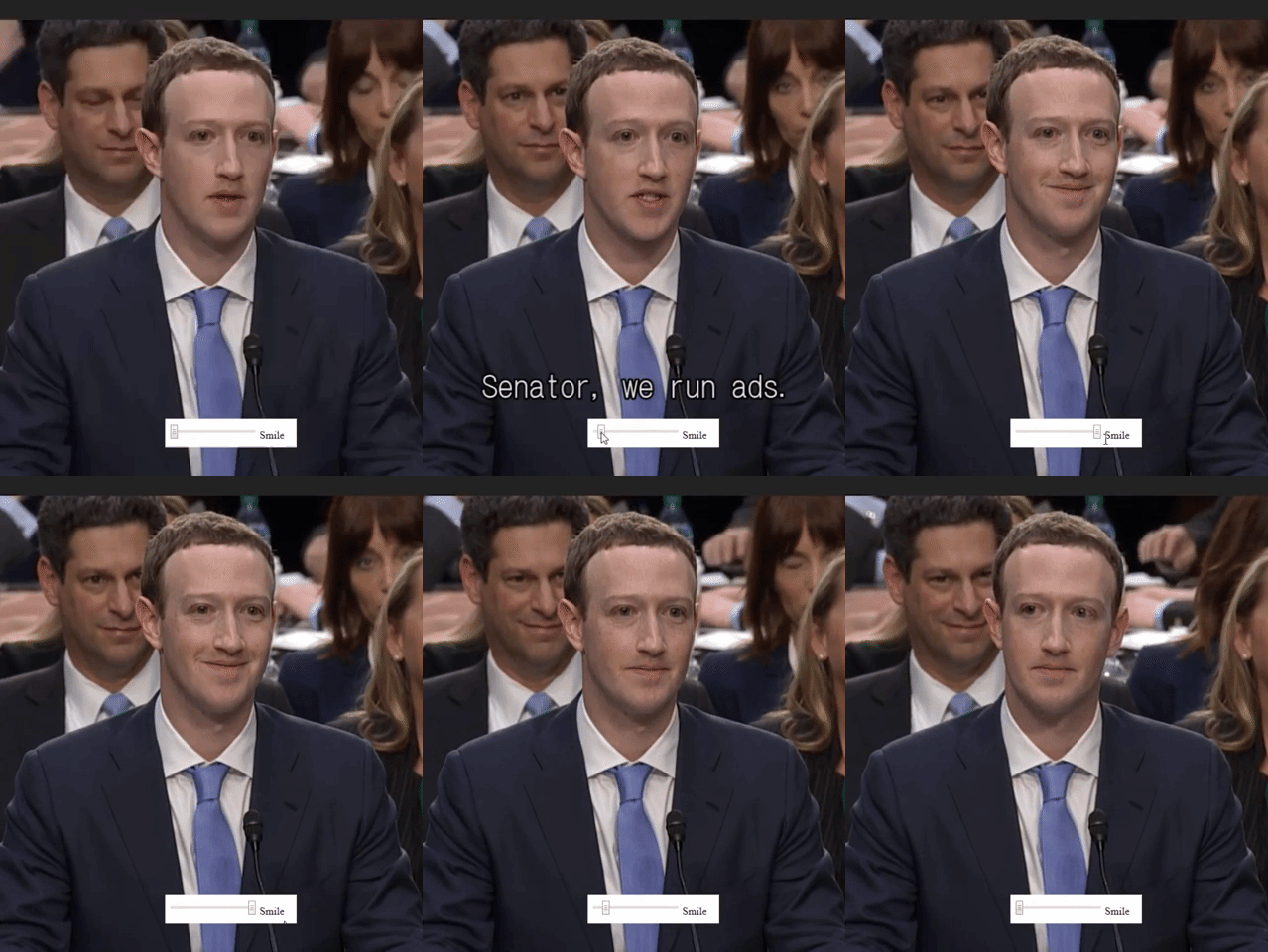
Witnesses have even alleged that Facebook representatives actively helped Cambridge Analytica, in-person, in campaign offices. Despite all of this, Mark Zuckerberg avoided giving straight answers to questions when called before committees in the US, UK and Europe, effectively denying knowledge of specific wrong-doing.
Cambridge Analytica, Bannon, Trump, Banks, Johnson, Farage and Russia
Things get even more sinister when you consider that one of the people sitting on the board of Cambridge Analytica was Steve Bannon – White House Chief Strategist during the first seven months of Trump’s presidency, and former executive chairman of the notoriously far right Breitbart News.
There are also well established connections to and between British millionaire businessman Aaron Banks, one of the main funders of the Vote Leave, and subject of a criminal investigation over the source of funds, Nigel Farage, former leader of the UK Independence Party, current leader of the Brexit Party, main architect of Brexit, and close friend of new British Prime Minister Boris Johnson and US President Trump.
And, to top it all off, there have been constant accusations regarding the possible involvement of the Russian government in financing the campaigns. Something that would make sense, since a Trump presidency and the UK leaving the EU would significantly weaken the European Union and NATO, clearing the way for Putin to make more moves in eastern Europe, from the Ukraine to the Baltic states.
And, all of this because of Facebook.

Too little, too late?
So, with the world hurtling towards World War 3 courtesy of Trump, and wannabe dictator Farage effectively in control of the UK (soon to be rump England, with the inevitable upcoming UDI’s of Scotland and Wales, and reunification of Ireland) through his imbesilic puppet Johnson, Zuckerberg’s apologies and $5 billion from Facebook isn’t really going to do anything to remedy the catastrophic global predicament we find ourselves in.
Of course, we all share part of the blame here. For years most of us were content to lap up the latest ‘free’ social media products and services, without going to the effort of reading the terms or thinking about the possible implications.
Sure, now we have GDPR, and there’s a raft of new rules Facebook will have to comply with, including implementing a new multi-layered privacy compliance system, and new tools to help the FTC maintain oversight of the social media giant, but the damage is already done.
As Cambridge Analytica whistleblower Christopher Wylie told a UK select committee, if an athlete is caught out in doping tests, they don’t say “ah well, they probably would have won the race anyway, and let them keep their medal.”
This article features opinion of the author only and does not necessarily reflect the views of Pentagon Digital Limited.
Blockchain
VCOIN LAUNCHES DEBIT CARD WITH UPHOLD: IMVU USERS EARN IN-GAME & SPEND IN REAL LIFE
VCOIN has teamed up with Uphold on a debit card that lets IMVU users spend currency earned in-game on real-world purchases.
VCOIN, the transferable digital currency used in the social metaverse app IMVU, has launched a debit card in partnership with digital money platform Uphold, allowing users to take value earned inside the virtual world and spend it in real life.
IMVU users can now withdraw VCOIN to an Uphold account and spend it using the Uphold debit card, earning 2% cashback on every purchase, both online and in store.
How the card works
The card is available first to US residents, with international availability to follow. Digital-only cards are free to order and use through the Uphold Card app, while a physical card carries a one-off fee of $9.95. Cashback on purchases is paid into the cardholder’s Uphold account.
From virtual economy to real wallet
VCOIN was first introduced inside IMVU, the friend-discovery and social metaverse app operated by Together Labs. IMVU runs one of the larger virtual economies of any social platform, with around 27 million transactions and 14 billion credits changing hands each month, according to the company.
The debit card closes the loop between that in-app economy and everyday spending. Creators and users who earn VCOIN by selling virtual goods or participating in the community can now convert those earnings into money they can use at ordinary merchants, rather than keeping the value locked inside the app.
A test case for the creator economy
The launch reflects a wider effort across gaming and virtual worlds to let users earn real income from in-game activity. It also highlights the regulatory hurdles involved: by routing withdrawals and spending through Uphold, an established and regulated money platform, VCOIN relies on a partner already set up to handle compliance, identity checks and card issuing.
How widely users adopt the card will be watched closely by other platforms considering whether to let virtual currencies flow out into the real economy.
English Premier League football club Wolverhampton Wanderers (Wolves) has entered the Rocket League Championship Series (RLCS).
Wolves already fields rosters in FIFA 21, FIFA Online 4, PUBG, Identity V, and Pop Kart Racing, and is the first Premier League club to enter the RLCS.
Discussing the news Wolves General Manager for Marketing and Commercial Growth, Russell Jones, said:
“Gaming and esports remain a crucial part of our brand growth strategy and signing such talented and ambitious players to represent our Rocket League esports team is another step forward in our journey to build stories outside of football and widen the appeal of the Wolves brand across the world.
“We have spent the last six months scouting teams and players and are delighted to welcome Rix, Luis and Ole, who will become Wolves Esports for the remainder of the current RLCS season X and beyond. We will be offering the team our full support as they compete in the winter split.
“I’d also like to thank the University of Wolverhampton who continue to be an exceptionally supportive partner of the Wolves Esports programme.”
While Team Captain of Wolves Esports Rocket League, Rix Ronday, added:
“It is a real honour to captain the first-ever Wolves Esports Rocket League team. I’m confident that we have recruited two of Rocket League’s most exciting talents in Ole and Luis and we are working hard behind the scenes to prepare for the RLCSX Winter Split kick-off.”
AYO.NEWS says:
Wolves have already demonstrated their enthusiasm for esports, using it to strengthen what is now a powerful global brand – for example, way back in February 2019, it became the first Premier League club to enter Chinese esports, through a partnership with Weibo eSports Club.
And, given the very real possibility of COVID-19 causing further disruption to football, diversifying the brand into multiple esports seems like a smart way to ensure fan engagement can continue, come what may.
‘AYO.NEWS says’ features the opinion of the author and does not necessarily reflect the views of Pentagon Digital Limited or its affiliates or associates.
All original content featured on this site is © Pentagon Digital Limited, 2020.
The EA SPORTS™ FIFA 21 Challenge has smashed the viewership record, with an Average Minute Audience of over 250K.
A one-day esports tournament that paired top global professional footballers with the world’s best FIFA players, the EA SPORTS™ FIFA 21 Challenge drew an average minute audience (AMA) of 254,057 with a total watch time of 1,024,696 hours, making the event the most-watched EA operated esports broadcast in history.
In fact, the broadcast more than doubled the viewership metric set by the next most-watched EA operated FIFA event, the FIFA Global Series FUT Champions Cup: Barcelona, which took place over multiple days in January 2018 and registered an AMA of 92,678.
During the competition, four esports players paired with four professional footballers from international clubs Liverpool, West Ham United, Inter Milan, and Borussia Dortmund, clashed on October 29 for the EA SPORTS FIFA 21 Challenge.
Liverpool’s Trent Alexander-Arnold and Fnatic’s Tekkz took home the trophy and won $20,000 on behalf of their selected charities
In addition to incorporating celebrity participation to reach non-traditional gaming audiences, the EA SPORTS FIFA 21 Challenge was the first event to utilize FIFA Global Series Viewership Rewards, creating an interactive broadcast for viewers with in-game benefits for watching to further drive engagement and subsequent play time.
Reflecting on the event EA SPORTS FIFA Commissioner, Brent Koning, said:
“EA SPORTS FIFA is woven into the fabric of football culture. Bringing professional footballers and our esports pros together creates entertainment that sets our tournaments apart.
“The success of the FIFA 21 Challenge reinforces our strategy and vision for broadening the esports audience, creating content for our fans, and underscores the value of entertainment-driven events that branch outside of traditional esports.”
The FIFA 21 Challenge was a part of a series of EA SPORTS FIFA 21 Global Series pre-season invitationals, featuring notable influencers, footballers, and FIFA pros, in partnership with the interactive entertainment world’s biggest video streaming and content platforms.
It’s a nod to EA’s renewed competitive gaming strategy, which leverages the convergence of traditional sports, competitive gaming, and pop culture to create new, engaging, and accessible broadcasts for diverse audiences.
AYO.NEWS says:
Viewership figures like this illustrate just how integrated esports, especially FIFA, is becoming in mainstream football culture, and the growth looks set to continue, and reflects well on EA’s competitive gaming strategy. Last month, EA announced improvements and a bigger prize pool for the upcoming esports season.
‘AYO.NEWS says’ features the opinion of the author and does not necessarily reflect the views of Pentagon Digital Limited or its affiliates or associates.
All original content featured on this site is © Pentagon Digital Limited, 2020.


INDIA SUPREME COURT REJECTS JUNGLEE REVIEW OF STATE GAMING BANS

RUSH STREET INTERACTIVE Q3 REVENUE RISES 39% TO $385.9M

VEIKKAUS TO TAKE NEW VIABET BRAND INTO DENMARK IN JULY 2027

DUTCH LICENSED GAMBLING MARKET SHRINKS TO €4.1BN AS ONLINE REVENUE FALLS

KALSHI RAISES $1BN AT $40BN VALUATION AS SENATORS PRESS ON ELECTION MARKETS

SIR PHILIP DAVIES JOINS BHA BOARD AS RACECOURSE ASSOCIATION NOMINEE

FINNISH POLICE STEP UP FINES FOR ILLEGAL GAMBLING MARKETING

MATCHBOOK BUYS BETDAQ, MERGING TWO VETERAN BETTING EXCHANGES

HACKSAW LAUNCHES B2B PREDICTION MARKETS PLATFORM WITH MGA TYPE 3 NOD

ALTURAS RANCHERIA’S KALSHI DEAL SPLITS CALIFORNIA TRIBES ON PREDICTION MARKETS
INDIA SUPREME COURT REJECTS JUNGLEE REVIEW OF STATE GAMING BANS
RUSH STREET INTERACTIVE Q3 REVENUE RISES 39% TO $385.9M
VEIKKAUS TO TAKE NEW VIABET BRAND INTO DENMARK IN JULY 2027
DUTCH LICENSED GAMBLING MARKET SHRINKS TO €4.1BN AS ONLINE REVENUE FALLS
KALSHI RAISES $1BN AT $40BN VALUATION AS SENATORS PRESS ON ELECTION MARKETS
-
 People3 weeks ago
SIR PHILIP DAVIES JOINS BHA BOARD AS RACECOURSE ASSOCIATION NOMINEE
-

 Esports5 years ago
LEXUS SUPPORTS ESPORTS AWARDS FOR THIRD CONSECUTIVE YEAR
-

 Esports5 years ago
REKTGLOBAL BRINGS TOP GAMING TALENT TO INFINITY FESTIVAL 2021
-
Esports6 years ago
MEDIA & ESPORTS POWERHOUSE REKTGLOBAL ACQUIRES TALENTX ENTERTAINMENT
-
Esports6 years ago
ENVY GAMING LAUNCHES CONTENT CREATOR NETWORK, SIGNS CHESS STREAMING BOTEZ SISTERS
-

 Esports5 years ago
AWARD POOL PLATFORM TO EMPOWER BRANDS & CREATORS WITH CHALLENGES & NFT-BASED REWARDS
-
 Staying Legit3 weeks ago
FINNISH POLICE STEP UP FINES FOR ILLEGAL GAMBLING MARKETING
-
Esports5 years ago
MIDDLE EAST MERGER: GALAXY RACER & TEAM NIGMA FORM ‘NIGMA GALAXY’